

Rodent control works when we do more than set traps: it combines inspection, trapping or baiting, exclusion (sealing the entry points) and sanitation advice. In Fort Lauderdale, roof rats living in attics and palm trees are a common target alongside house mice.
Rodents are active at night, so most people discover them through noises, droppings or damage. If you hear scratching overhead or find signs in the kitchen, call Fort Lauderdale Pest Control and we can inspect the property. Rodent work is a core part of any professional pest control service, because trapping without sealing entry points just invites the next rodent.
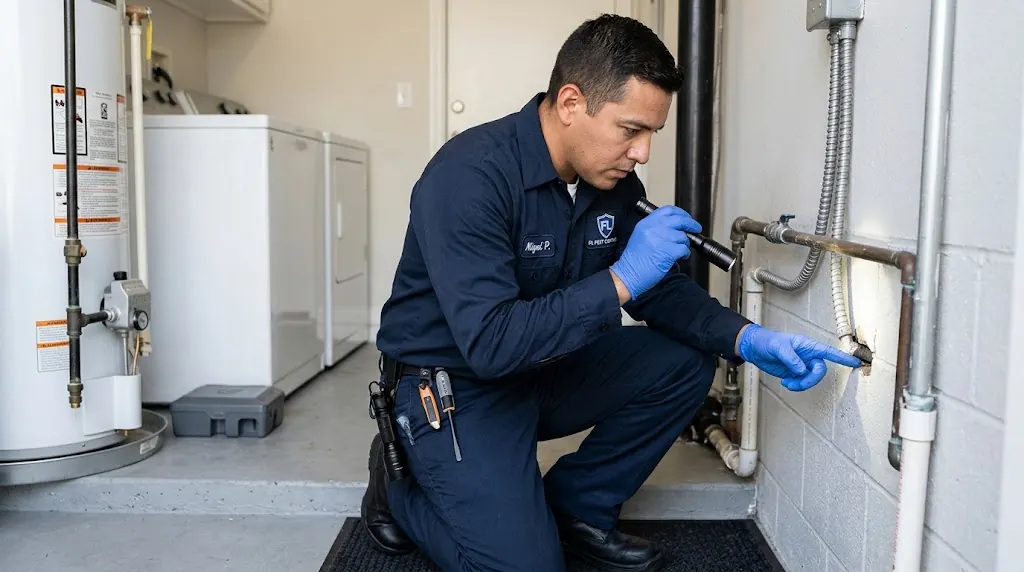
How can you tell if you have rats or mice?
- Scratching, scurrying or gnawing in walls, ceilings or attics, often at night.
- Droppings along walls, in cabinets, garages or attic insulation.
- Gnaw marks on wood, boxes, pipes or wiring.
- Greasy rub marks along baseboards or pipes.
- Chewed fruit, pet food or birdseed, or damaged fruit on backyard trees.
Rodents common in South Florida
- Roof rats: excellent climbers that nest in attics, soffits and palm fronds and travel along wires and tree limbs.
- Norway rats: ground-level burrowers found near foundations, dumpsters and drains.
- House mice: small, can enter through very small gaps, and are common in garages and pantries.
The species determines where traps go and how entry points are sealed.
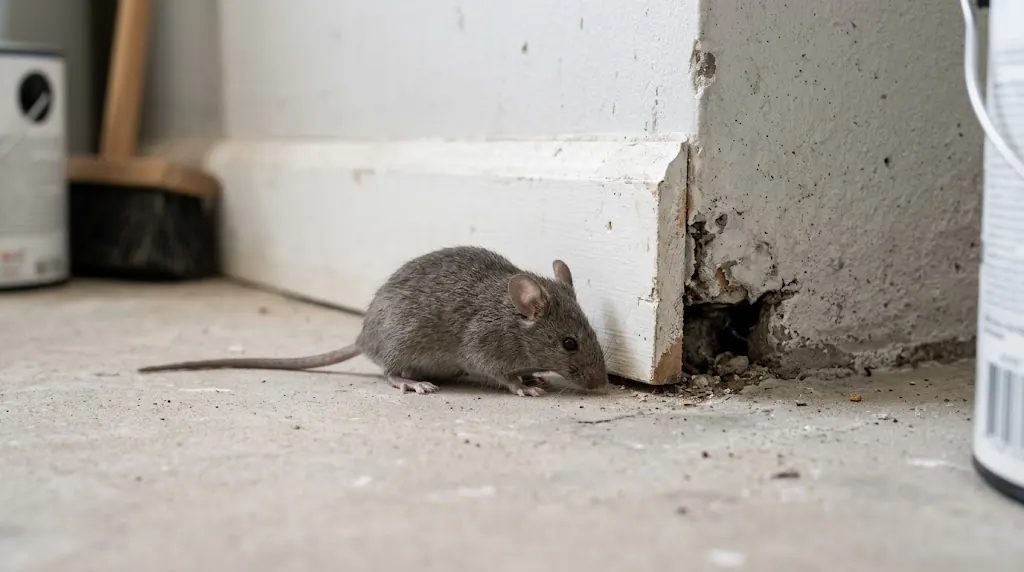
How professional rodent control works
- Inspection: finding droppings, runways and the gaps they use.
- Trapping or baiting: using snap traps, tamper-resistant bait stations or other methods suited to the property, children and pets.
- Exclusion: sealing gaps in roof lines, vents, pipe penetrations and garage doors. Mice can fit through gaps about the size of a dime, and rats through gaps about the size of a quarter.
- Sanitation and prevention: trimming trees away from the roof, securing trash and storing pet food.
- Follow-up: checking traps and confirming activity has stopped.
Attic and insulation damage
Rodent droppings and urine can contaminate attic insulation and ductwork, and gnawed wires are a fire risk. We offer attic clean-up or insulation replacement as a separate service. Ask what is included in the quote.
How much does rodent control cost in Fort Lauderdale?
The cost of rodent control depends on the severity, the number of entry points to seal, access to the attic or roofline, and whether clean-up is included. Beware of quotes that only cover traps without addressing how rodents are getting in.
Where we handle rodent control calls
Mature trees and canal-side properties near Rio Vista and Las Olas can give roof rats easy routes to rooflines, and restaurants and mixed-use buildings may also need commercial pest control to keep rodents out.
See about our team or visit our contact page.
Related services
Guides and tips
Frequently asked questions
How do I know if it is rats or mice?
Rat droppings are larger than mouse droppings, and attic noises are often rats. We can identify the rodent from the signs and the location of the activity.
Is rodent poison safe around pets?
Poison baits can be risky for pets and wildlife if used incorrectly. Ask us about tamper-resistant stations and alternatives such as trapping.
Why do rodents keep coming back after trapping?
Usually because entry points were not sealed or food and shelter remain available. Exclusion is what stops repeat problems.
Should I clean droppings myself?
Avoid sweeping or vacuuming dry droppings, which can send particles into the air. Public health guidance recommends wet cleaning with gloves and disinfectant. Heavy contamination is best handled by a professional.
How do I get rats out of my attic?
A professional inspects to find the entry points and species, traps or baits using methods suited to your property, then seals the gaps so rodents cannot return. Sealing is the step that prevents recurrence.
How much does rodent control cost in Fort Lauderdale?
Costs vary with severity, the number of entry points, roof or attic access and whether clean-up is included. Ask for a written scope that covers exclusion, not only traps.
Ready to get rid of pests in Fort Lauderdale?
Call now and tell us what you are seeing. Our team can inspect, explain the options and quote the work.
Serving Fort Lauderdale, FL · Quote before work begins